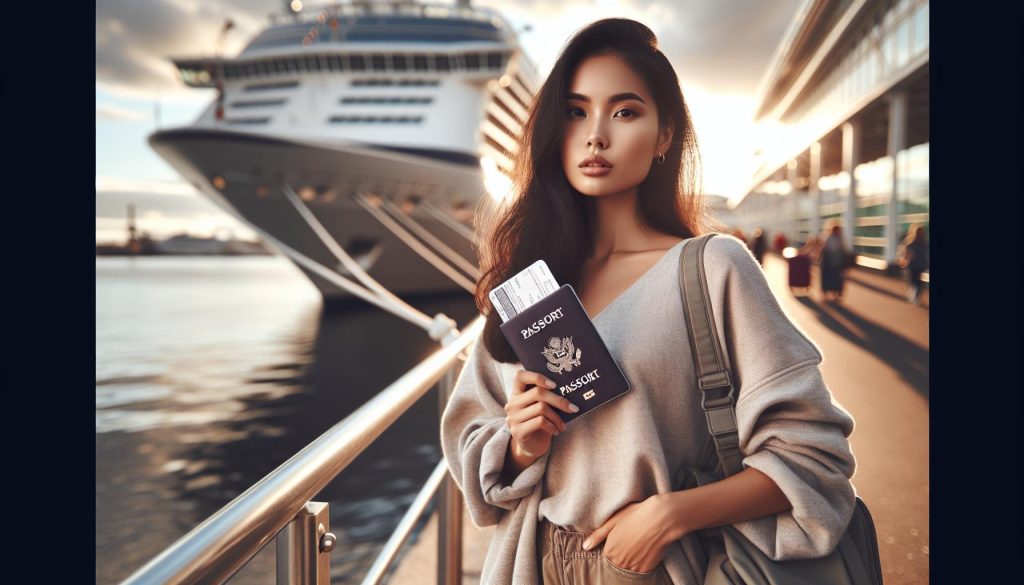
Planning a cruise can be exhilarating, but the logistical details can often feel overwhelming. One of the most pressing questions travelers face is whether a passport is necessary for their voyage. In many cases, the answer is yes, and understanding these requirements is crucial to ensuring a smooth embarkation. Different cruise lines and destinations have varying regulations regarding travel documents, which can impact your journey. By grasping the importance of having the right documentation, you can avoid potential hiccups that might dampen your excitement. Whether you’re setting sail for a tropical getaway or a scenic river cruise, knowing the ins and outs of passport requirements will empower you to navigate the boarding process with confidence. Continue reading to uncover essential tips and insights that will make your cruise experience as enjoyable as possible.
Do You Need a Passport for a Cruise? Understanding Requirements for Different Destinations
Many potential cruisers often wonder whether they need a passport for their upcoming voyages, and the answer can depend on a variety of factors, including the cruise itinerary and the countries you will be visiting. Generally, if your cruise itinerary includes ports outside of the United States or your home country, it is essential to have a passport. Most cruise lines require passengers to present a valid passport when departing or disembarking at international ports. This document not only facilitates your entry into different countries but also ensures you can return home smoothly.
For cruises that operate within certain limits, such as closed-loop cruises (those that start and end at the same U.S. port), you may have more flexible requirements. In these cases, U.S. citizens can typically use an original birth certificate along with a government-issued photo ID, such as a driver’s license. However, while this might sound convenient, it’s worth noting that using a passport is always the safest option. If unexpected situations arise, such as a medical emergency requiring evacuation to a foreign hospital, having a passport can be crucial.
To demystify the bureaucratic processes involved in preparing for travel, it’s helpful to consider the requirements of each destination and consult your cruise line well ahead of your departure. Keep handy a checklist:
- Verify if your cruise itinerary needs a passport.
- Check the expiration date on your passport-most cruise lines require it to be valid for at least six months after your return date.
- Consider applying for a passport if you don’t already have one or if it’s due for renewal.
Being proactive about your travel documentation can save you from last-minute stress, ensuring that you can fully enjoy your cruise experience without any hiccups related to identification issues.
The Importance of Passport Validity When Cruising
When cruising, a valid passport is not just a convenience; it’s a crucial element for a smooth journey. It serves as your key to international waters and foreign lands, providing peace of mind as you navigate new cultures and experiences. Most importantly, having a passport that’s valid for at least six months beyond your planned return date isn’t merely a recommendation; it’s often a requirement enforced by cruise lines and foreign governments. Sailors who overlook this can find themselves stranded, facing expensive last-minute flights home or, worse yet, missing out on their planned adventure altogether.
Why Validity Matters
Cruise itineraries can change, and unexpected events can arise, such as medical emergencies or severe weather. If you must disembark in a foreign port, having a valid passport ensures you can receive the necessary medical care or return home without hassle. Moreover, some destinations have strict entry requirements, including proof of onward travel. A valid passport equips you to meet these regulations with ease, allowing you to focus on enjoying your vacation rather than scrambling for paperwork.
Checking Your Passport Status
Before you set sail, take a moment to assess your passport. Here’s how to ensure it’s up to date:
- Expiration Date: Check that your passport is valid for at least six months after your return date.
- Condition: Ensure it’s in good condition; damaged passports may not be accepted.
- Renewal: If it’s nearing expiration, consider renewing before your trip to avoid complications.
Managing these aspects of your travel documents proactively saves time and stress. Download our handy checklist for passport requirements to ensure you don’t overlook anything!
Overall, keeping your passport valid is essential for a seamless cruising experience, enabling you to embrace the sea’s adventures fully while safeguarding against potential pitfalls. With just a bit of preparation, you’ll be free to explore the world without the burden of insufficient documentation weighing you down.
Alternative Identification: What You Can Use Instead of a Passport
If you find yourself embarking on a cruise but lacking a passport, don’t panic! There are alternative forms of identification you can use, particularly for certain types of cruises. Understanding these options not only eases your travel preparation but also makes your journey smoother.
For example, many closed-loop cruises, which begin and end at the same U.S. port, allow travelers to use a government-issued photo ID along with their birth certificate. This can be a valid driver’s license or state ID complemented by an original or certified copy of your birth certificate. It’s essential that the birth certificate clearly displays your name and date of birth, ensuring it meets the cruise line’s identification requirements. Always check with your specific cruise line beforehand to confirm their policies and avoid any surprises.
While these alternatives can simplify the process for some cruises, they also come with specific limitations. While you may not need a passport for closed-loop cruises, having one is advisable if your plans change or if you need to make an emergency disembarkation at a foreign port. Additionally, relying solely on a birth certificate may not be sufficient if you travel beyond the itinerary to extend your vacation. Therefore, it’s wise to consider obtaining a passport, even if your initial plans don’t require one.
To help manage your documentation effectively, it’s a good idea to prepare a checklist of required IDs. Be sure to keep copies of your identification in a safe place on board and with someone back home, which can safeguard against the stress of potential loss. Remember, preparation is key to ensuring your cruising experience is enjoyable and free of unnecessary hiccups!
How to Obtain and Renew a Passport Quickly
Obtaining or renewing a passport can feel daunting, especially when you’re gearing up for an exciting cruise. The good news is that with the right approach, the process can be quick and straightforward. Many travelers find themselves in need of a passport due to unexpected itinerary changes, so knowing how to navigate this bureaucratic maze can ensure you’re prepared for your next adventure.
To begin your passport application or renewal process, start by gathering the necessary documents. Generally, you’ll need proof of U.S. citizenship-such as a birth certificate or naturalization certificate-and a government-issued photo ID. If you’re applying for a passport for the first time or if your previous passport was issued when you were a minor, additional documentation may be required. For renewals, ensure your existing passport is undamaged and can be submitted along with your application.
The next step is choosing how you’ll submit your application. You can apply in person at a passport acceptance facility or a passport agency, or you can renew by mail if you meet certain criteria. Be sure to check the processing times on the official State Department website; routine service can take several weeks, but expedited options are available for those who need fast processing, sometimes in as little as 24 hours for emergencies or within 5-14 days for expedited service.
Consider using online tools to simplify the application process. The U.S. State Department provides a user-friendly application form that you can fill out and print, reducing errors that may delay processing. Additionally, ensure that your passport photo meets all requirements-many local pharmacies offer passport photo services that can save you time. To manage the application effectively, maintain copies of all documents submitted, and consider tracking your application status online for peace of mind.
Here’s a quick checklist to keep your application running smoothly:
- Proof of U.S. citizenship (birth certificate, etc.)
- Government-issued photo ID (driver’s license, etc.)
- Completed application form (DS-11 for new, DS-82 for renewals)
- Passport photo meeting specifications
- Payment for required fees (check or money order for mail applications)
By staying organized and proactive, you can swiftly handle your passport needs, ensuring your cruise plans remain on track. Remember, having a valid passport not only provides peace of mind but also opens doors to spontaneous adventures during your travels.
Tips for Managing Passport Information and Copies
Managing your passport information and copies effectively can significantly ease the travel process, especially when preparing for a cruise. Did you know that having a backup of your passport can become a lifesaver if you misplace the original? Here are some practical tips to ensure your documents are organized and accessible, reducing anxiety during your trip.
First and foremost, create multiple copies of your passport. Make clear scans or photocopies of the first two pages, which contain your personal information and passport number. Store one copy in a secure location at home, and take another with you on your cruise-keep it separate from your original passport. This method not only helps confirm your identity if your passport is lost or stolen but also aids in quick processing at embassies or consulates in case of emergencies.
To keep your passport details secure and easily retrievable, consider using digital tools. Many travelers find it convenient to have a secure, cloud-based storage solution such as Google Drive or Dropbox where they can upload essential documents, including their passport copies, itinerary, and any travel insurance information. Always ensure that your cloud account has two-factor authentication enabled to enhance security. If you prefer physical copies, a travel wallet that zips up can safeguard your passport and other critical documents while also keeping them organized.
Lastly, familiarize yourself with passport handling guidelines before you embark on your cruise. For instance, during boarding, have your passport easily accessible to speed up check-in processes. While on the ship, it’s advisable to store your passport in a safe provided by the cruise line, as this reduces the risk of loss. Additionally, make a note of your passport’s expiration date and address any renewals needed well in advance of your journey to avoid delays.
By proactively managing your passport information and copies, you can navigate the travel landscape with peace of mind, allowing you to focus on enjoying your cruise experience. Remember, preparation is the key to a stress-free journey!
What to Expect at Customs and Immigration for Cruises
Getting through customs and immigration during your cruise can seem daunting, but being well-prepared and informed can significantly ease the process. Each cruising destination has specific requirements, but generally, travelers can expect a systematic procedure that prioritizes safety and security. Upon disembarking from the ship, you will typically find signs directing you to the customs area, where you’ll need to present certain documentation.
First, ensure you have your identification ready, which may include your passport or alternative identification depending on your cruise’s itinerary. Keep your customs declaration form handy, as you may be required to fill this out upon entering a new country. Familiarizing yourself with the customs regulations of your destination can also save you time and prevent misunderstandings. For instance, know what items are restricted or require special duty allowance to expedite your passage through customs.
During the actual customs process, expect to wait in line as authorities check your documents and potentially ask you a few questions about your travel. Questions may include the length of your stay, purpose of your visit, and whether you are carrying any restricted items. Be honest and concise in your responses to facilitate a smooth exchange. It can also be helpful to know that you may be required to place your luggage through a screening process, so pack efficiently, allowing for easier navigation.
To make the process smoother, here are some practical tips:
- Stay Organized: Keep all travel documents in a dedicated and easily accessible part of your bag.
- Be Prepared for Questions: Familiarize yourself with common customs questions to reduce anxiety.
- Know the Regulations: Research the customs policies of the countries you are visiting; each destination has its own rules.
- Allocate Time: Arrive at the customs area early, as wait times can vary.
By understanding what to expect at customs and immigration for your cruise, you can approach the process with confidence. Cultivating this preparation reduces stress and allows you to focus on enjoying the exciting destinations awaiting you.
Cruise Line-Specific Passport Policies You Should Know
Understanding passport policies specific to different cruise lines is essential for anyone planning a voyage. Each cruise line has distinct requirements based on their itineraries, the destinations they visit, and the itinerary structure (closed-loop vs. international cruises). For example, a cruise departing from a U.S. port and returning to the same port often has more relaxed requirements compared to journeys that include foreign ports.
Common Policies Among Cruise Lines
Most cruise lines such as Royal Caribbean, Carnival, and Norwegian typically require a valid passport for international sailings. However, on closed-loop cruises-those that start and end at the same port in the U.S.-some cruise lines allow travelers to use alternative documents like a government-issued photo ID and a certified copy of a birth certificate. This is particularly appealing for families with children, as it streamlines the documentation process.
When booking, it is crucial to check the specific passport requirements listed on the cruise line’s website or during the booking process. For instance, if traveling with Royal Caribbean, they strongly advise that all guests have a valid passport, even for cruises that do not legally require one. This precaution can save you from complications should you need to leave the ship unexpectedly in a foreign port due to medical emergencies or unforeseen circumstances.
Tips for Keeping Your Passport Safe
Keeping track of your passport is paramount while cruising. Here are some practical tips to safeguard your passport and ensure smooth sailing:
- Use a Waterproof Pouch: Keep your passport in a waterproof travel pouch, especially while exploring ports.
- Make Copies: Before you leave, make photocopies or take pictures of your passport and other important documents. Store these digitally in a secure cloud service.
- Inform Travel Companions: Share your passport details and copies with a trusted travel partner in case of loss.
Additionally, consider pre-registering on the cruise line’s online portal before your trip to expedite boarding and help maintain organized records of your travel documents. With these tips and an understanding of specific cruise line policies, you can navigate the preparation process confidently and focus on enjoying the adventure ahead.
Understanding Closed Loop Cruises: Passport Necessity Explained
Many travelers are pleasantly surprised to learn about the flexibility offered by closed-loop cruises, which are journeys that begin and end at the same U.S. port. One key point to understand is that while a passport is not always mandatory for these sailings, having one can dramatically ease your travel experience. For closed-loop cruises, some cruise lines, such as Royal Caribbean, permit guests to board using a government-issued photo ID alongside a certified copy of their birth certificate. This can simplify requirements, particularly for families traveling with children, who may not yet possess passports.
However, it’s essential to weigh the benefits of having a passport even when it isn’t strictly required. Situations can arise where you may need to disembark at a foreign port for reasons such as medical emergencies or unexpected itinerary changes. In such cases, a passport would be invaluable as it allows for smoother navigation through customs and immigration processes. As a general guideline, always check with your cruise line prior to departure to ensure you comply with their specific identification policies.
Planning for a closed-loop cruise can be straightforward if you take the necessary steps early. Start by gathering your identification documents and ensure they are in good condition. If you opt to use a birth certificate instead of a passport, obtain a certified copy through your state’s vital records office. This document must have an official seal, as photocopies are typically not accepted. It’s also beneficial to familiarize yourself with any documentation requirements and to maintain a digital copy of your ID and birth certificate for added security.
In summary, while closed-loop cruises offer more lenient documentation requirements, choosing to travel with a passport provides an additional layer of safety and convenience. Always take the time to prepare and organize your travel documents well ahead of your sailing date to enjoy a stress-free boarding process and an unforgettable voyage.
What to Do If You Lose Your Passport While Traveling
Losing a passport while traveling can be a stressful experience, especially when you’re miles away from home. However, knowing the right steps to take can help minimize the anxiety and get you back on track for your cruise. First, it’s crucial to stay calm and inform your travel companions about the situation. Having a support system can make the process less daunting.
Start by reporting the loss to local authorities, usually at the nearest police station. Obtaining a police report may be necessary for your records and could assist in the replacement process. Next, contact your country’s embassy or consulate in the port city. They can provide guidance on the specific procedures for replacing a lost passport. Most consulates allow you to apply for a replacement passport, but you’ll need to bring certain documents like a copy of your lost passport (if available), a passport photo, and government-issued identification. Make sure you have access to digital copies of your important documents to streamline the process.
Steps to Replace a Lost Passport
- Report the Loss: Visit the local police station to file a report.
- Contact Your Embassy: Get in touch with your country’s embassy or consulate for assistance.
- Prepare Required Documents: Gather necessary items such as ID copies, passport photos, and the police report.
- Complete the Application: Fill out the appropriate forms for a lost passport replacement.
- Pay Any Fees: Be prepared to cover any costs associated with the replacement process.
Don’t forget to keep your Travel Insurance policy handy, as some plans cover the costs associated with losing a passport, including emergency travel documents. As a proactive measure, consider making photocopies of your passport and storing them in a separate location, which can expedite the replacement process should you ever find yourself in this situation again. With these steps in hand, you can navigate the passport replacement process confidently, ensuring your cruise experience isn’t spoiled by temporary setbacks.
Travel Insurance: Why It Matters for Passport Issues
Facing passport issues while cruising can turn an exciting vacation into a stressful ordeal. One critical safeguard against these unexpected challenges is securing a solid travel insurance policy. Comprehensive travel insurance can cover various passport-related problems, ensuring you’re not left stranded or incurring hefty expenses due to lost or stolen documents.
Imagine you’ve just arrived at a destination and, in the midst of exploration, realize your passport is missing. With travel insurance, you’re protected against the financial burden of emergency documentation fees or additional travel expenses needed to replace your passport quickly. Many insurance plans cover the costs for emergency travel documents, allowing you to continue your trip without significant interruption. It’s not just about the money; having that safety net can give you peace of mind, allowing you to enjoy your cruise without constant worry about potential mishaps.
Key Reasons to Consider Travel Insurance for Passport Issues:
- Emergency Coverage: Many plans cover the costs associated with replacing a lost or stolen passport or other travel documents, including last-minute fees.
- Travel Delays: In case you need to remain in a location longer than planned due to passport issues, travel insurance can cover accommodations and additional travel expenses.
- Assistance Services: Insurers often provide 24/7 hotlines to assist with lost passport procedures, from reporting to liaising with embassies.
- Peace of Mind: Knowing you have coverage in case something goes wrong can reduce anxiety, allowing you to enjoy your trip fully.
When choosing a travel insurance policy, read the fine print to ensure it includes specific coverage for passport theft or loss. Some plans may have limitations, so it’s wise to ask questions and clarify any doubts with the insurer. Preparing for your cruise means more than just packing swimwear; it also requires ensuring you’re covered for any passport-related emergencies. By investing in travel insurance, you equip yourself with a safety net that makes navigating any potential bureaucratic processes much easier, reaffirming that adventure should be enjoyed, not fretted over.
Best Practices for Keeping Your Passport Safe on a Cruise
Keeping your passport safe while cruising is essential to ensure a smooth and enjoyable travel experience. A misplaced passport can lead to significant stress and complications during your vacation. To prevent such mishaps, consider these effective practices that will safeguard your essential travel document.
One of the best ways to protect your passport is to use a secure travel wallet. Choose one with multiple compartments that can hold not only your passport but also other vital documents like tickets, insurance papers, and credit cards. This organized approach reduces the chances of losing your passport while rummaging through your bag. When on board, consider utilizing a safe provided by the cruise line for storing your passport, especially when you’re not planning to venture ashore.
Keep Digital Copies
In addition to physical safety measures, creating digital copies of your passport can be a lifesaver in emergencies. Scan or take high-quality photos of your passport and store them securely on your phone or in cloud storage. If your passport does go missing, having these copies will ease the process of applying for a replacement and help you manage interactions with local authorities.
- Limit Exposure: Only take your passport with you when necessary. If you’re exploring a port, consider leaving your passport in the safe and carrying a photocopy instead.
- Use Lanyards: For day trips, use a lanyard to keep your passport handy while still secure. This keeps it close without the risk of dropping it.
- Travel Insurance: Ensure your travel insurance covers the loss of important documents, including passports. This can mitigate stress should something happen.
Implementing these strategies not only helps in keeping your passport safe but also alleviates potential anxiety during your cruise. With thoughtful preparation, you can focus more on enjoying your travels and less on worrying about your documents.
Frequently Asked Questions
Q: Do you need a passport for a cruise to the Bahamas?
A: Yes, a passport is required for cruises to the Bahamas, but if you’re on a closed-loop cruise (departing and returning to the same U.S. port), you can use a government-issued photo ID and a certified birth certificate. Always check your cruise line’s specific requirements for the most accurate information.
Q: What happens if you don’t bring a passport on a cruise?
A: If you don’t bring your passport on a cruise that requires one, you may be denied boarding. Cruise lines typically enforce strict documentation policies, so it’s crucial to validate what’s needed for your specific itinerary and cruise line.
Q: How can I travel without a passport on a cruise?
A: You can travel without a passport on a closed-loop cruise by presenting a government-issued photo ID along with a certified birth certificate. Ensure these documents meet the cruise line’s requirements outlined in their policies.
Q: Are there any countries you can cruise to without a passport?
A: Yes, some destinations allow you to cruise without a passport if you are on a closed-loop cruise, such as travels to the Bahamas or Mexico, provided you have the necessary alternative identification. Always verify what is permitted with your cruise line.
Q: What is the process of getting a passport for a cruise?
A: To obtain a passport for a cruise, you must fill out Form DS-11, provide proof of citizenship (like a birth certificate), a photo ID, and submit a passport photo. Processing can take several weeks, so expedite your application if cruising soon.
Q: Is it safe to carry your passport around on a cruise?
A: While it’s crucial to have your passport, refrain from carrying it everywhere. Store your passport in a secure onboard safe and only bring it when necessary for excursions or boarding ports to minimize loss or theft.
Q: Can you use a passport card for a cruise?
A: Yes, a passport card can be used for land and sea travel to certain locations, including closed-loop cruises to Mexico and Canada. However, it’s not valid for international air travel, so consider your itinerary when choosing this option.
Q: How to ensure your passport is valid before a cruise?
A: Check your passport’s expiration date. Most countries require passports to be valid for at least six months beyond your planned departure date. If invalid, renew it as soon as possible to avoid travel disruptions.
The Conclusion
Now that you understand the importance of having a passport for your cruise, don’t let uncertainties hold you back from booking that dream vacation! Remember, the earlier you tackle your passport arrangements, the smoother your travel experience will be. For personalized assistance with obtaining or renewing your passport, check out our comprehensive guide on passport applications and tips to avoid common pitfalls.
If you’re looking for more resources, explore our articles on cruise preparation essentials and packing tips to make your journey seamless. Don’t forget to subscribe to our newsletter for the latest travel insights and exclusive tips to enhance your cruising experience! Your adventure awaits-take action today and get ready to set sail! And as always, feel free to drop a comment below if you have questions or share your own tips; we’d love to hear from you!