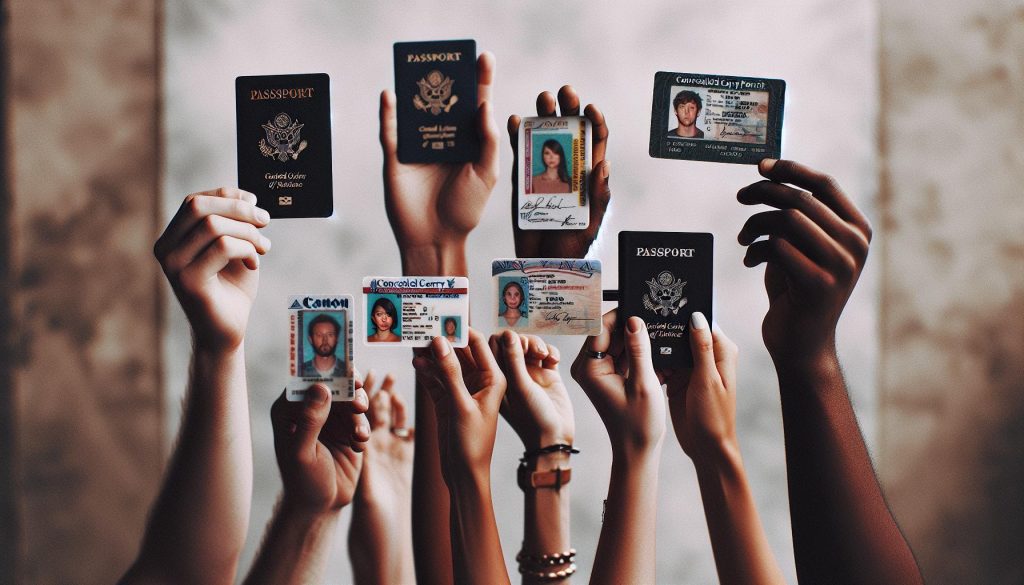
In today’s world, having the right identification is crucial, especially in situations involving safety and security. One common question is whether a concealed carry permit can serve as a valid form of ID. While it acts as proof of your ability to responsibly carry a firearm, many are unsure about its legal standing in various contexts, such as when boarding flights or verifying age. Understanding the nuances of this topic is essential, not just for gun owners, but for anyone navigating the complexities of identification requirements. In this article, we will explore the legitimacy of concealed carry permits as identification, addressing common misconceptions and providing clarity on how they are perceived in different scenarios. By the end, you’ll be equipped with the knowledge to confidently navigate any situation involving your concealed carry permit, ensuring you know when and how it can serve your needs.
What is a Concealed Carry Permit?
A concealed carry permit is an official document issued by a state government that grants individuals the legal authority to carry a concealed firearm in public. This permit serves as a recognition of the individual’s completion of required training and understanding of the relevant laws pertaining to firearm safety and handling. The specifics of these permits, such as eligibility requirements, application processes, and allowed carry locations, can vary significantly from state to state.
In most cases, acquiring a concealed carry permit involves several critical steps. Prospective permit holders typically need to undergo a background check, complete a firearms safety course, and submit an application along with any requisite fees. For instance, in states like Tennessee, individuals can complete an online certification course, which is followed by a visit to a local office to finalize the application process. This approach simplifies the pathway to obtaining the necessary permit and ensures that applicants are well-informed about their responsibilities while carrying a concealed weapon.
It’s essential to note that while a concealed carry permit is a valid form of identification in many situations, its acceptance as an ID may differ based on state laws. Some states recognize it as a legitimate form of identification, particularly in contexts involving firearms transactions or events where firearms are involved. Others may not. Therefore, it’s vital for permit holders to be aware of the specific laws governing the recognition of such permits in their respective states.
By understanding the nuances associated with a concealed carry permit, individuals can navigate the process with confidence and ensure they comply with all relevant laws and regulations. Being well-prepared not only helps in successfully obtaining the permit but also promotes responsible ownership and carrying practices.
Understanding the Role of ID in Firearms Regulations
Understanding how identification functions within firearms regulations is crucial for both current and prospective concealed carry permit holders. While many individuals might assume that any form of ID is universally accepted, the reality is much more nuanced. A concealed carry permit not only verifies the holder’s qualification to carry a concealed weapon but may also be treated differently under various legal contexts, particularly in firearms-related situations.
In most states, a concealed carry permit serves as proof of identity and firearm training, but its acceptance as a valid form of ID can vary significantly. For instance, during firearm transactions or when entering specific venues where firearms are permitted, a concealed carry permit may be recognized as valid identification. However, at other establishments like federal buildings or airlines, it might not suffice. Therefore, it’s essential for permit holders to carry a government-issued ID, such as a driver’s license, alongside their concealed carry permit to avoid any potential complications.
To navigate these varied regulations effectively, it’s advisable for permit holders to:
- Familiarize themselves with state laws: Different states have unique regulations regarding concealed carry permit acceptance as identification.
- Carry additional identification: Maintaining a government-issued photo ID alongside the concealed carry permit offers assurance in diverse scenarios.
- Ask questions: If unsure about the validity of their permit in a specific context, individuals should not hesitate to inquire with the relevant parties beforehand.
Being proactive and informed can ease the stress associated with firearm regulations and help permit holders feel more confident in their ability to navigate these responsibilities smoothly.
Is a Concealed Carry Permit Recognized in Your State?
In the complex landscape of firearms regulations, understanding the recognition of a concealed carry permit based on your state is essential for both new and seasoned permit holders. Each state has its own unique laws concerning the valid use of concealed carry permits as identification, impacting everything from firearm purchases to entry into venues that allow concealed weapons. The variation can lead to confusion, particularly when traveling or dealing with different jurisdictions.
For example, many states acknowledge concealed carry permits as valid forms of ID during firearm transactions and in certain locations where carrying is permitted. However, in places like federal buildings or airports, a concealed carry permit may not be accepted, which underscores the need for having a government-issued photo ID, such as a driver’s license, readily available. This extra precaution not only ensures compliance but also fosters peace of mind during essential activities.
To better navigate these varying laws, it’s wise for permit holders to take the following steps:
- Research State-Specific Laws: Always consult your state’s regulations regarding the acceptability of concealed carry permits as ID.
- Be Prepared with Multiple Forms of ID: Carrying both your concealed carry permit and a government-issued ID can prevent potential issues.
- Communicate with Authority Figures: Don’t hesitate to ask law enforcement or venue administrators about the use of your permit in specific situations.
By being informed and prepared, permit holders can confidently navigate the intricacies of concealed carry laws, ensuring they remain compliant while exercising their rights effectively. This proactive approach not only reduces anxiety during interactions but also empowers individuals in managing their responsibilities as concealed carry permit holders.
Comparison of Concealed Carry Permits and Other ID Forms

In today’s world, having the right identification is more crucial than ever, especially for those who possess a concealed carry permit. While a concealed carry permit serves as proof of your legal ability to carry a firearm, it also raises questions about its validity compared to other forms of identification, like a driver’s license or state ID. Understanding these comparisons can ease any apprehensions you may have when confronted with the need to present ID in various situations.
A concealed carry permit typically includes your name, address, and photograph, thereby fulfilling the basic criteria for identifying you as an individual. However, unlike a standard government-issued ID, it is primarily intended for verifying your eligibility to carry a concealed weapon. This means that while it may be accepted in firearms-related transactions or environments where concealed carry is allowed, it might not be viewed as universally valid in situations requiring formal identification. For example, if you’re trying to board a plane or enter a federal building, a government-issued photo ID like a driver’s license is usually required.
When comparing a concealed carry permit with other forms of ID, consider the following critical points:
- Purpose: Concealed carry permits are specifically designated for firearm possession, whereas general IDs are broader in their applicability.
- Acceptance: Many places recognize concealed carry permits, but this can vary significantly by state and context.
- Limitations: Other IDs tend to be accepted in a wider range of situations, reducing the chance for complications during identification verification.
Ultimately, while carrying a concealed carry permit can bolster your identification credentials in gun-related scenarios, it’s wise to also have a standard government-issued ID on hand. This proactive approach not only enhances your confidence but ensures you are prepared for any situation that may arise, allowing you to navigate through identification requirements with ease and assurance.
Legal Implications of Using a Concealed Carry Permit as ID

Utilizing a concealed carry permit as a form of identification can be a nuanced endeavor, reflecting the intersection of personal rights and legal regulations. While these permits are valid for verifying your legal ability to carry a firearm, their acceptance as general identification varies widely depending on jurisdiction, context, and the specific regulations in place. Understanding these legal implications is crucial not only for responsible gun ownership but also for ensuring compliance in various identification scenarios.
A concealed carry permit typically contains essential personal information such as your name, address, and photograph, which are common requirements for identification. However, it is important to recognize that this permit serves a specialized purpose: to attest to your eligibility to carry a concealed weapon. This specific intent means that while the permit may carry significant weight in gun-related situations, it may not hold the same validity in circumstances that demand other forms of government-issued identification, like a passport or driver’s license. For example, if you find yourself in a federal building or attempting to board a flight, security personnel are likely to request a more universally recognized form of ID.
Understanding Legal Risks
The legal risks tied to using your concealed carry permit as ID can include misunderstandings or disputes about its legitimacy. If questioned by law enforcement or in a location where gun laws are tightly regulated, showing a concealed carry permit instead of a standard ID could lead to complications. It’s beneficial to stay informed about the laws in your state, as some places explicitly recognize concealed carry permits, while others may not.
To navigate these potential pitfalls, having both a concealed carry permit and a traditional government-issued ID can provide peace of mind. This dual approach ensures you are prepared for various scenarios, reducing the chance of legal complications and enhancing your ability to comply with different identification requirements.
For those looking to stay organized, consider creating a checklist of the various forms of ID you might need in different situations. Keeping this list handy alongside your documents can simplify your preparations and boost your confidence when faced with identification checks.
Ultimately, while a concealed carry permit is a valuable document for firearm ownership, it’s wise to recognize its limitations and to have a standard ID available for broader identification purposes. Staying informed about your rights and the legal context around concealed carry permits can empower you to navigate identification challenges more effectively.
How to Obtain a Concealed Carry Permit: A Step-by-Step Guide
To navigate the process of obtaining a concealed carry permit, it’s essential to understand the structured steps involved. Many people have preconceived notions that applying for a permit is complex and intimidating. However, keeping a clear plan can simplify the journey considerably. Here’s a straightforward guide to help you step through the application process with confidence.
Start by researching the specific requirements set by your state. Each state has different regulations, fees, and prerequisites for obtaining a concealed carry permit. Most states require you to be a certain age, typically 21 or older, and to pass a background check. In some states, you’ll need to complete a firearm safety course, which can often be done online or in person. Make sure you visit your state’s official government website to get the most accurate and relevant information.
Once you’ve gathered all necessary information, the next step is to prepare your application. This may involve filling out forms that ask for personal details, including your name, address, and any past criminal history. Some states allow you to submit your application online, while others require it to be delivered in person at a designated office. Be sure to double-check your application for completeness-missing information can delay the process.
After submitting your application, you’ll need to pay any associated fees, which can vary significantly from one state to another. This payment may contribute to the cost of background checks and processing your permit. It’s also important to keep track of your application status, which you can usually do through your state’s licensing agency website.
Finally, be prepared for the possibility of supplementary requirements, such as fingerprinting or an interview. These steps may feel daunting, but they are often straightforward and necessary to ensure responsible ownership practices. Once everything is approved, you will receive your concealed carry permit, enabling you to carry a concealed firearm legally.
By following these steps and staying organized, you can approach the application process with ease. Consider creating a checklist to track your progress and ensure you have all required documentation. Each step completed brings you closer to obtaining your permit, allowing you to enjoy the benefits of responsible firearm ownership.
Renewing Your Concealed Carry Permit: What You Need to Know
As the validity of a concealed carry permit often comes into question, ensuring that your permit remains current is essential not just for legal compliance but also for your peace of mind. Renewing your concealed carry permit is a manageable task, and understanding the requirements can simplify the process tremendously. Each state has its own regulations regarding the renewal of concealed carry permits, but there are common steps that can help guide you through.
First, check the expiration date of your current permit. Many states allow for early renewals, so even if your permit doesn’t expire for several months, starting the process early can help you avoid any potential lapses in coverage. You can usually find the specific requirements and renewal options on your state’s official website. Here’s a general overview of what you might need:
- Renewal Application Form: Complete and submit the necessary paperwork, which may be available online.
- Background Check: Some states require a new background check, so be prepared to pay any associated fees.
- Training Certification: Depending on your state, you might need to provide proof of updated firearm training or safety courses.
- Fees: Be sure to check if there are any fees involved and have your payment ready.
After gathering the necessary documents and completing the renewal form, submit your application well ahead of your permit’s expiration date to allow time for processing. Tracking your renewal status can typically be done via your state’s firearm licensing website, providing you with peace of mind as your application is processed.
Don’t forget, maintaining clear records of your firearm training and any communication with state agencies can be tremendously helpful if any issues arise during the renewal process. And if you find yourself needing to update personal information, like your address or name, ensure you do this in conjunction with your renewal application. Having your concealed carry permit renewed on time is not only a legal necessity but a significant step toward upholding responsible gun ownership practices.
Common Misconceptions About Concealed Carry Permits
Many people have questions and assumptions about concealed carry permits that can lead to confusion. One common misconception is that a concealed carry permit serves as a blanket authorization to carry a firearm in any state or situation. In reality, laws surrounding concealed carry vary significantly from one state to another. While some states recognize permits from other jurisdictions, others do not, leading to potential legal ramifications for those who carry without understanding local laws. It’s crucial to research and adhere to the specific regulations in the states you plan to visit or reside in.
Another prevalent misunderstanding is that obtaining a concealed carry permit guarantees protection from civil or criminal charges in the event of a shooting incident. While having a permit can demonstrate your commitment to safety and training, it does not automatically exempt you from legal scrutiny. A properly trained individual may still face prosecution if they discharge their weapon, especially if circumstances surrounding the use of force are questionable. Understanding self-defense laws and the implications of using a firearm is equally important as obtaining the permit itself.
When it comes to identification, another misconception is that a concealed carry permit is universally accepted as a valid form of ID. While it may be recognized in some contexts-such as when purchasing firearms or during interactions with law enforcement-it is not always accepted in everyday situations like boarding an airplane or verifying age in a bar. It’s essential to have a government-issued photo ID, such as a driver’s license or passport, available for those scenarios where your concealed carry permit might not suffice.
For those navigating the bureaucracy of concealed carry permits, clear understanding and proper preparations are key. Below are practical tips for overcoming common barriers:
- Know Your State’s Laws: Always review and stay informed about the legal requirements for concealed carry in your state and any states you plan to travel to.
- Document Everything: Keep thorough records of your training, the application process, and correspondence with licensing authorities. This documentation can be invaluable if issues arise.
- Use Multiple Forms of ID: Be prepared with a standard photo ID to avoid any possible inconveniences where your concealed carry permit may not be accepted.
- Stay Educated: Regularly review self-defense laws and attend refresher courses to ensure your knowledge and skills are up to date.
By addressing these misconceptions, you empower yourself with the knowledge needed to navigate the complexities of concealed carry permits effectively.
Best Practices for Carrying Identification Safely
Carrying identification safely is not just about having the right documents; it’s also about being prepared and managing information wisely. When it comes to concealed carry permits, understanding how to maintain and present all forms of ID can help you navigate various situations more smoothly. The reality is that in many circumstances, a concealed carry permit might not be the only form of ID required, so having a plan in place is essential.
First and foremost, keep your identification organized. Use a dedicated wallet or pouch that can securely hold your concealed carry permit along with other essential IDs like your driver’s license or passport. This not only protects your documents from wear and tear but also ensures that you can present them quickly if needed. Items should be easily accessible yet secure, so consider using a case that allows for easy retrieval without exposing the contents to loss or theft.
Another key practice is to carry copies of important documents. While you should always have your original ID on you, a photocopy of your concealed carry permit and other IDs can provide backup that might be useful in emergencies. This is especially important if you’re traveling or engaging in activities where your documents might be questioned. Ensure that these copies are kept in a separate location from the originals to reduce the risk of loss.
When it comes to issues surrounding the use of a concealed carry permit as ID, remember to check the rules in each state you visit. Some states might have differing regulations regarding what forms of ID are acceptable. This becomes crucial during travel, where misunderstanding local laws could lead to complications. Always research beforehand or carry state-specific information regarding identification laws.
In case you find yourself in situations requiring ID checks-like at events or while interacting with law enforcement-remain calm and respectful. Present your concealed carry permit alongside any other accepted IDs promptly. This not only demonstrates your preparedness but also fosters a positive interaction.
By embracing these practices, you can safeguard your identification and navigate the complexities of carrying a concealed carry permit with confidence.
Navigating State Laws and Concealed Carry Permit Validity
Understanding the maze of state laws regarding concealed carry permits can feel overwhelming, but knowing the regulations can help ensure that you remain compliant and informed. In the U.S., the legal framework surrounding concealed carry permits varies significantly from state to state. While many states recognize concealed carry permits as valid forms of identification, others may have specific stipulations that affect their use in different contexts.
For example, in Florida, while it’s possible to carry a concealed weapon without a specific permit in certain situations, having a concealed weapons license offers distinct advantages, such as not facing a waiting period when purchasing firearms from a licensed dealer and immunity from certain federal restrictions regarding firearms near schools [[1]](https://smith-wessonforum.com/threads/concealed-carry-permit-is-this-true.746159/). This variability illustrates the importance of understanding your state’s laws not just about carrying firearms but also about how these permits interact with other ID requirements.
When navigating state laws, it is beneficial to compile a list of your state’s stipulations regarding concealed carry permits and their use as identification. Consider research tools such as state police websites and local legislation documents for specific guidelines. In addition, consulting with local gun rights organizations can provide community insight into how laws are enforced and interpreted in practice. For ease of reference, create a personal checklist that includes when and where your permit is recognized, which can simplify the process, especially if you frequently travel.
Moreover, as you consider matters of validity, it is essential to be aware of any updates or changes to legislation. State laws can evolve rapidly, impacting the recognition of concealed carry permits as ID. Therefore, staying informed through regular reviews of state law updates, attending local legislative forums, and subscribing to relevant newsletters can keep you apprised of any changes that may affect your rights and responsibilities as a permit holder. With the right preparations and knowledge, navigating state laws regarding concealed carry permits can become a manageable and straightforward aspect of responsible firearm ownership.
Real-Life Cases: Concealed Carry Permits as Identification
When it comes to using a concealed carry permit as a form of identification, real-life scenarios highlight both its utility and the nuances of its acceptance in different situations. Many gun owners often find themselves in situations where they need to present ID, be it at a bar, while purchasing a firearm, or during a traffic stop. Understanding how and where a concealed carry permit is recognized can help avoid confusion and potential legal issues.
Consider a situation where someone is stopped by law enforcement. If they present their concealed carry permit, the officer may view this as a valid form of ID. This is particularly relevant in states where the permit is recognized by local law enforcement, as it substantiates the individual’s right to carry. However, it’s critical to check specific state laws, as some jurisdictions may have different rules dictating what constitutes acceptable identification in such scenarios. For instance, in states with strict identification laws, presenting a concealed carry permit alone might not suffice; having a driver’s license or state ID may also be necessary.
Furthermore, imagine going out for dinner at a restaurant that serves alcohol. Some states allow permit holders to enter such establishments provided they do not consume alcohol. In these cases, showing your concealed carry permit can reassure staff of your legality to carry. It is essential, however, to ensure that the restaurant does not have its own restrictions regarding firearms; many establishments post their policies publicly, allowing patrons to be informed beforehand.
In areas where concealed carry permits are prevalent, they can also serve as handy identification for activities unrelated to firearms, such as joining community events or clubs that require a form of ID. However, it’s advisable for holders to recognize that while a concealed carry permit may be accepted in various contexts, it does not replace government-issued IDs like a driver’s license or passport. Therefore, it’s beneficial to carry multiple forms of identification to mitigate any potential hiccups when identification is requested.
As laws and regulations surrounding concealed carry permits can change, staying informed is crucial. Regularly consulting local gun rights organizations or online resources can provide updates on any shifts in legality or guidelines, empowering permit holders to navigate these diverse scenarios with confidence and compliance.
Tips for Discussing Credentials in High-Stakes Situations
In high-stakes situations where your identification may be scrutinized-like at a law enforcement checkpoint, when engaging in business transactions, or during social gatherings-confidently discussing your credentials can make all the difference. Understanding how to present a concealed carry permit as valid ID requires clear communication and an awareness of the nuances within specific context. By being prepared and proactive, you can foster trust and minimize friction.
First, always familiarize yourself with the laws in your state regarding concealed carry permits. This knowledge equips you to respond effectively to questions about your ID’s legitimacy. When presenting your permit, emphasize its official nature by mentioning that it is issued by the state after a thorough background check. To fortify your position, consider carrying a standard form of identification-like a driver’s license-alongside your concealed carry permit. This approach not only complies with regulations in restrictive states but also presents a unified front that reassures those you’re interacting with.
When discussing your credentials, especially in informal settings, keep your tone friendly and informative. Explain that while some may question the validity of a concealed carry permit as an ID, many individuals still use it successfully in various scenarios. You might mention situations where it has been accepted, such as entering establishments that serve alcohol or when purchasing a firearm. Share examples that highlight your understanding of the balance between rights and responsibilities, mentioning your commitment to safety and compliance with local laws.
Lastly, prepare for potential pushback by having a straightforward response ready. For instance, if someone questions the permit’s adequacy as identification, calmly explain its legal standing and its role in asserting your lawful right to carry. Assertiveness can be your best ally-your confidence in your credentials often translates to confidence from others. Keep in mind that while not everyone may be familiar with the specifics of concealed carry permits, a respectful and informative discussion can go a long way in clarifying any misconceptions and reinforcing your credibility.
Frequently Asked Questions
Q: Can a concealed carry permit be used for identification purposes?
A: Yes, a concealed carry permit can often be used as a valid form of identification, but this varies by state. It’s commonly accepted for purposes like age verification or when presenting ID at certain establishments. Always check local laws for specific requirements.
Q: What are the limitations of using a concealed carry permit as ID?
A: While a concealed carry permit serves as identification, it may not be accepted in all situations, such as for travel or certain federal requirements. For critical purposes, carrying a government-issued ID like a driver’s license is advisable.
Q: Is a concealed carry permit considered a government-issued ID?
A: Yes, a concealed carry permit is issued by state authorities and qualifies as a government-issued ID. However, its acceptance may vary depending on context and location.
Q: Do all states recognize concealed carry permits as valid ID?
A: No, not all states recognize concealed carry permits as valid forms of ID. It’s essential to verify the regulations in your state or the state you are visiting.
Q: Can you use a concealed carry permit for airport security?
A: A concealed carry permit is typically not accepted as valid identification for TSA security checks at airports. Instead, travelers should use a driver’s license or passport.
Q: What should I do if my concealed carry permit is not recognized as ID?
A: If your concealed carry permit is not recognized, you should have an alternative government-issued ID, such as a driver’s license or state ID. Familiarize yourself with local laws regarding ID acceptance.
Q: How does a concealed carry permit compare to a driver’s license for identification purposes?
A: A concealed carry permit and a driver’s license can both serve as valid IDs, but a driver’s license is more widely acceptable across various situations, such as travel and federal identification requirements.
Q: What are the risks of using a concealed carry permit for ID?
A: Using a concealed carry permit as ID can lead to misunderstandings or legal complications, especially if its acceptance is unclear. It’s advisable to carry a standard government-issued ID for broader recognition and acceptance.
Closing Remarks
In conclusion, understanding whether a concealed carry permit qualifies as a valid form of ID is essential not only for compliance but also for personal safety. We’ve explored key points that clarify its legitimacy and relevance. If you’re still uncertain or have further questions, don’t hesitate to check out our detailed guides on Frequently Asked Questions about Concealed Carry Permits and State-Specific ID Requirements.
Take the next step now-consider subscribing to our newsletter for the latest updates and tips related to concealed carry and ID regulations. By staying informed, you empower yourself with the knowledge to navigate any challenges confidently. Remember, your safety and preparedness are paramount. Join our community of informed individuals and ensure you’re always equipped with the right information. If you found this article helpful, share it with others who might benefit!